The Tarn Taran bypoll 2025 has set Punjab’s political arena abuzz as the AAP in Punjab elections leans on its turncoat strategy. With defectors from other parties joining its ranks, the party hopes to consolidate its presence. Meanwhile, deepening divisions among Shiromani Akali Dal factions threaten to fragment votes, intensifying competition. Analysts suggest this bypoll could reshape the Punjab political landscape in 2025, influencing strategies for the upcoming Punjab assembly elections 2025. As voters prepare to cast their ballots, attention is on turnout, candidate choices, and the evolving dynamics of multi-cornered contests in Punjab.
Tarn Taran Bypoll: AAP Bets on Turncoat Strategy as Akali Factions Complicate the Contest
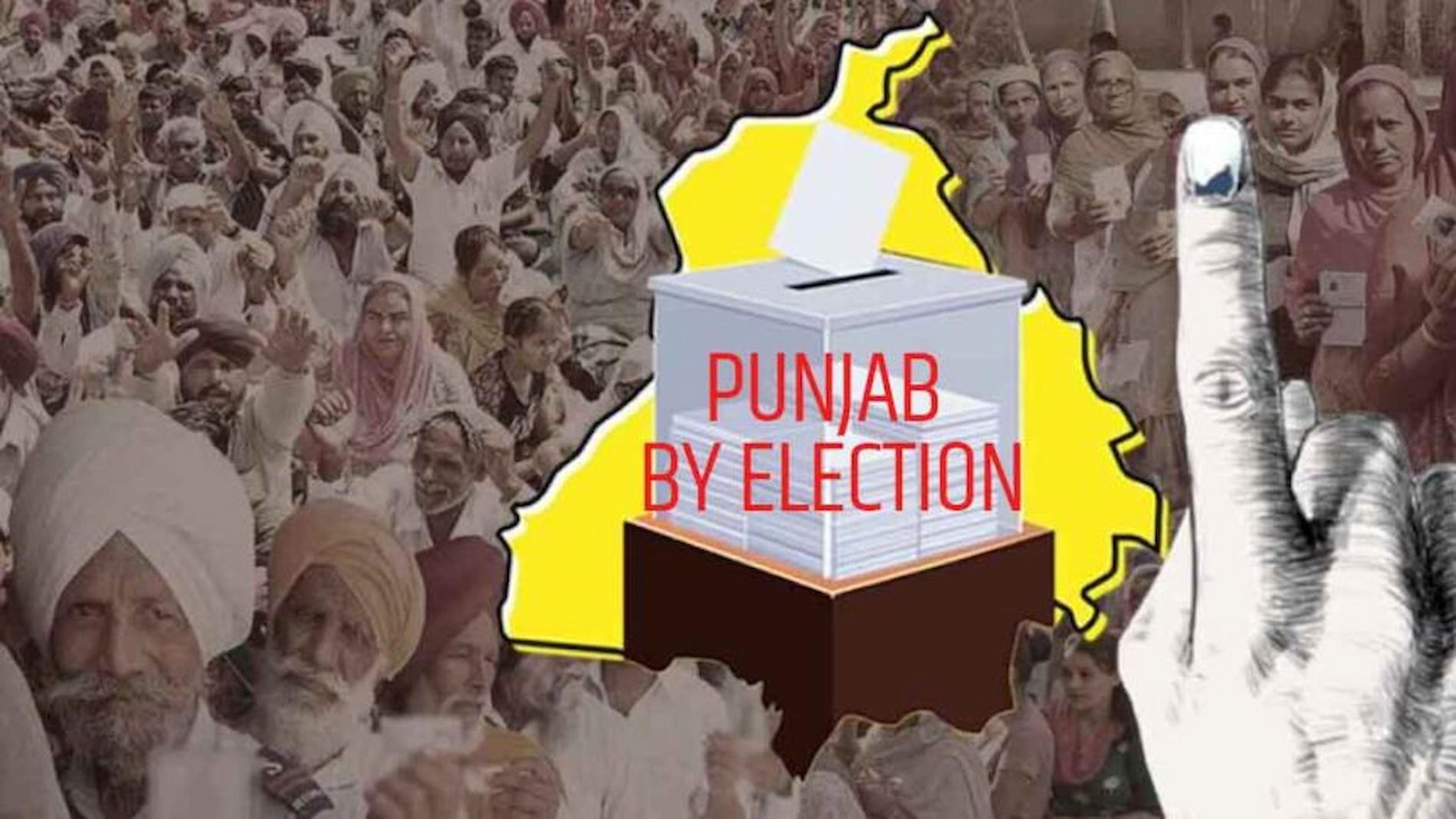
The Tarn Taran bypoll 2025 AAP turncoat strategy has emerged as a focal point in Punjab politics, drawing attention from national observers. The Election Commission of India announcement confirmed the bypoll schedule, with polling set for November 11, 2025, and counting on November 14, 2025. This bypoll, held in a strategically significant constituency, comes amidst growing tensions between the AAP and the fractured Shiromani Akali Dal factions, creating a multi-layered contest. AAP in the Punjab elections is relying on defectors and former opponents to strengthen its candidate base, hoping to capitalise on local dissatisfaction. Political strategists suggest that this bypoll could act as a litmus test for both the ruling and opposition parties. With voter turnout, Tarn Taran is expected to play a decisive role. Analysts predict the results may influence strategies for the Punjab assembly elections 2025 and reshape alliances in the state.
Election Context and Schedule
The Tarn Taran bypoll 2025 is scheduled alongside ongoing election preparations in Punjab. The Election Commission of India announcement clarified the timeline: polling will occur on November 11, 2025, and counting will follow on November 14, 2025.
Tarn Taran, a historically sensitive constituency, holds symbolic and strategic weight. Analysts emphasise that performance here could indicate broader electoral trends. The bypoll has attracted attention not only from state-level leaders but also from national politicians observing potential shifts in Punjab’s political balance.
With the stage set for multi-cornered contests in Punjab, this election is poised to test party strategies, candidate popularity, and grassroots organisational strength.
AAP’s Turncoat Strategy
AAP in the Punjab elections is relying heavily on political defectors. Several candidates who switched allegiance from other parties now represent the AAP ticket. This move is designed to leverage local influence and consolidate voter support.
Political strategists note that while the turncoat strategy has succeeded in previous Punjab elections, it also carries risks of alienating loyal voters. Analysts argue that candidate credibility and local acceptance will play crucial roles in determining whether this tactic pays off in Tarn Taran.
By incorporating experienced politicians with prior local influence, AAP hopes to strengthen its campaign and challenge the dominance of established regional parties. The Tarn Taran bypoll 2025 AAP turncoat strategy is a calculated attempt to reshape voter preferences ahead of the Punjab assembly elections 2025.
Akali Factions’ Role
The Shiromani Akali Dal factions are divided, each fielding their own candidates, complicating voter choices. These splits threaten to fragment traditional vote banks, giving an edge to AAP or other competitors.
Analysts suggest that internal Akali disputes may reduce the faction’s effectiveness in mobilising supporters. Local issues, personal rivalries, and strategic disagreements between factions have intensified the competition. Political strategists warn that unless the factions consolidate, they risk losing critical ground in the Tarn Taran bypoll, altering the balance in Punjab politics.
Other Parties in the Fray
The contest also includes the Bhartiya Janta Party (BJP), Congress, and several independent candidates. While the BJP leverages its national presence, Congress attempts to reclaim influence amid local discontent. Smaller regional parties and independents could play a decisive role in determining voter preferences.
Candidate selection has been crucial. Parties aim to balance caste, local influence, and prior electoral experience. Political strategists indicate that alliances, campaign narratives, and ground-level mobilisation will be decisive in shaping the Tarn Taran election results.
Voter Sentiment and Local Issues
Voters in Tarn Taran are focused on Punjab local governance issues such as development, agriculture, unemployment, and social welfare. Caste dynamics remain influential, shaping electoral decisions in closely contested constituencies.
Residents express mixed opinions about defectors joining AAP, some appreciating the experience, others sceptical of loyalty. Political strategists highlight that voter perception of candidate integrity could influence voter turnout in Tarn Taran and, ultimately, the election outcome.
Impact on State Politics
Results from the Tarn Taran bypoll could reshape the Punjab political landscape in 2025. AAP gains might strengthen the party ahead of the Punjab assembly elections 2025, influencing future alliances. Conversely, success for Akali factions could stabilise their position in Punjab’s political map.
Political analysts believe this bypoll serves as a microcosm of wider electoral trends, helping parties gauge voter sentiment, test campaign strategies, and plan future candidate placements.
Historical Context
Historically, Tarn Taran bypolls have reflected broader political currents. Previous elections saw defections influence outcomes, occasionally tipping results in favour of emerging parties. Political strategists point out that analysing past voting trends helps anticipate the impact of AAP’s turncoat strategy.
Voter turnout has historically varied, with higher participation favouring organised campaigns. Observers note that this year’s Punjab by-elections in November 2025 may witness an increase in engagement due to competitive multi-cornered contests.
Security and Electoral Preparations
The Election Commission has deployed robust security measures to ensure a free and fair poll. Central and state forces will monitor polling stations, particularly in sensitive areas. Surveillance of campaign expenditure, compliance with the model code, and social media activity is in place.
Special efforts target improving voter turnout in Tarn Taran, especially among youth and women. Political strategists emphasise that strong participation may be the deciding factor in closely fought contests.
Expert Opinions and Predictions
Political strategists suggest that the Tarn Taran bypoll 2025 AAP turncoat strategy could either solidify AAP’s presence or backfire if voters distrust defectors. Analysts predict high competition and potentially narrow margins.
Local leaders highlight development, governance, and candidate credibility as key determinants. Experts also suggest that this bypoll may influence strategies for the Assembly elections, shaping narratives and alliances in Punjab’s evolving political landscape.
Conclusion
The Tarn Taran bypoll 2025 AAP turncoat strategy represents a calculated gamble in Punjab politics. With fractured Shiromani Akali Dal factions, competing parties, and voter scrutiny, the stakes are high. Tarn Taran election results will provide insights into voter behaviour, political strategies, and future alliances. The outcome could redefine party equations and influence the approach to the Punjab assembly elections 2025, highlighting the importance of voter decisions and engagement in shaping state politics.
Follow live updates and expert analysis as Tarn Taran sets the stage for Punjab’s electoral future.