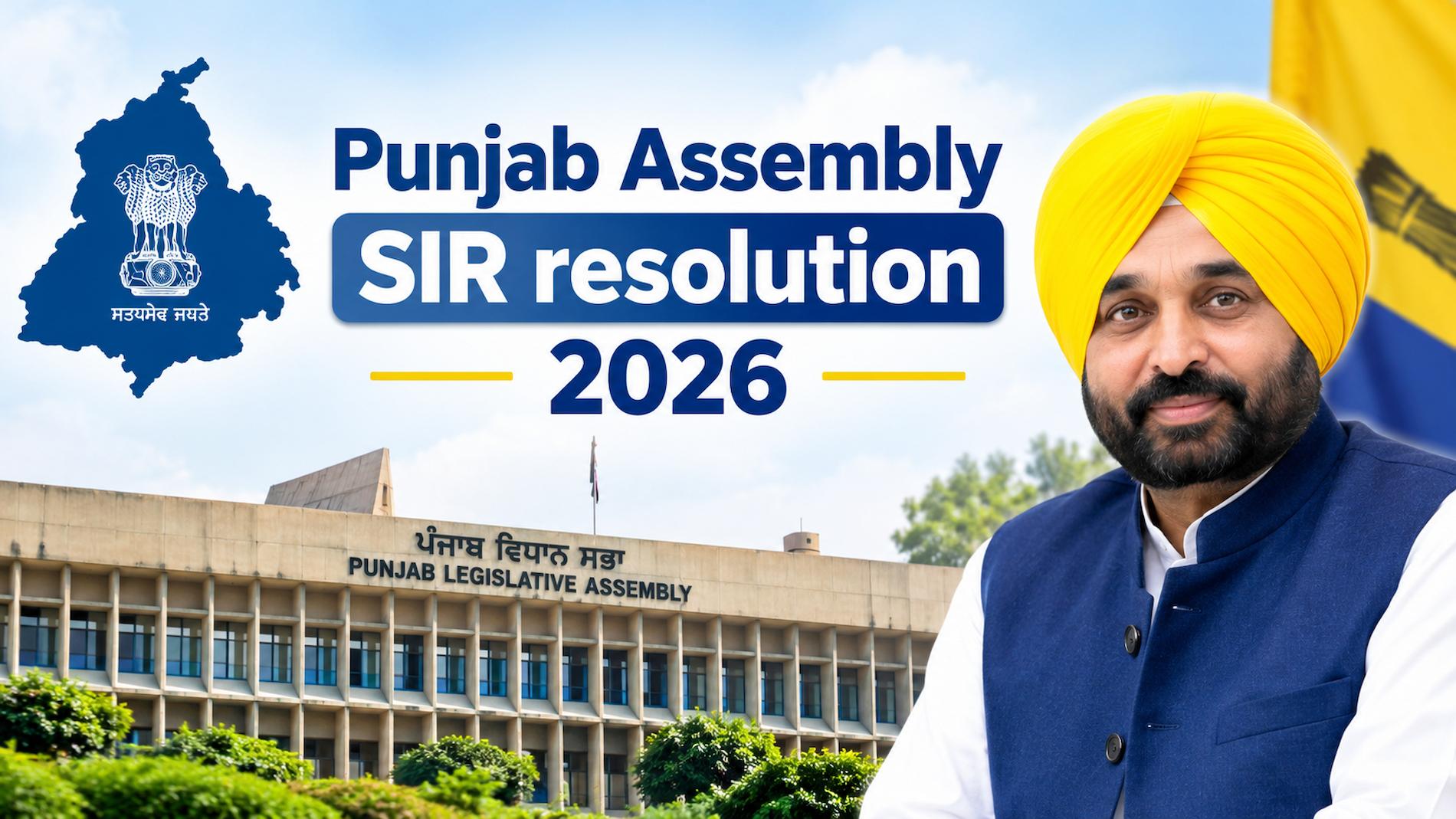
Punjab Assembly Passes Resolution Against SIR Deletions
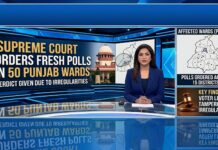
Punjab’s political debate over voter registration intensified on October 23, 2026, when the state Assembly passed a resolution seeking an independent investigation into alleged irregularities during the Special Intensive Revision (SIR) of electoral rolls. With the next Assembly election expected in 2027, the debate raises important questions about voter eligibility, election transparency, and the need to protect every eligible citizen’s right to vote.
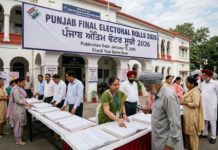
Accurate voter registration is essential to a fair election, and disputes over electoral rolls can quickly become a major political issue. On October 23, 2026, the Punjab Vidhan Sabha passed a resolution calling for an independent, impartial, and credible investigation into alleged irregularities associated with the Special Intensive Revision (SIR) of electoral rolls.
The Punjab Assembly SIR resolution 2026 was moved by Finance Minister Harpal Singh Cheema under the Aam Aadmi Party (AAP) government led by Chief Minister Bhagwant Mann. It seeks to scrutinize complaints that eligible voters may have been excluded during the revision process and to ensure accountability if wrongdoing is established.
The issue has gained significance because Punjab is preparing for its next Assembly election, expected in 2027. The central question is whether the electoral roll accurately represents eligible voters across the state.
Key Takeaways
- Resolution date: October 23, 2026, at the Punjab Vidhan Sabha in Chandigarh.
- Resolution moved by: Harpal Singh Cheema, Punjab’s Finance Minister and an AAP leader.
- Main demand: An independent investigation into alleged electoral-roll irregularities and possible exclusion of eligible voters.
- Electorate figures: Punjab’s final electoral roll listed 2,01,00,727 electors on October 12, 2026, compared with 2,14,61,043 before SIR.
- Political attendance: Congress and BJP MLAs were reported absent during the vote, while BSP MLA Nachhatar Pal, rebel SAD legislators Manpreet Singh Ayali and Dr. Sukhwinder Kumar Sukhi, and Independent MLA Rana Inder Pratap Singh were reported present.
- Next step: The resolution proposed sending the matter to the President of India, the Prime Minister, and Chief Election Commissioner Gyanesh Kumar for consideration.
Why the Resolution Matters
The AAP government SIR resolution centers on concerns about the Punjab Assembly voter list and whether the revision process has protected the rights of eligible citizens. The broader Voter list controversy involves the handling of online SIR Forms, access to the SIR form online, and allegations that the Punjab SIR controversy could affect public confidence in electoral administration.
The Special Intensive Revision Punjab process has become a significant political issue because of the reported Punjab voter deletion issue. Leaders from different political parties in Punjab are debating the implications, while the Bhagwant Mann SIR statement and the Assembly’s demand place pressure on election authorities to address complaints. The role of the Election Commission of Punjab, the accuracy of Punjab electoral rolls, and the proposed Punjab voter rights resolution are now central to the discussion.
The latest Punjab Vidhan Sabha news also raises questions about the Election Commission of India SIR process, the reported Punjab final voter list 2026, and how the Punjab voter list revision will be scrutinized before the Punjab Assembly elections 2027. These issues make transparency, verification, and fair access to voting especially important.
What the Resolution Demands
An Independent Investigation
The resolution calls for an independent, impartial, and credible mechanism to investigate alleged irregularities in the electoral rolls and the wider electoral process. Rather than relying solely on political claims, an independent examination could help establish whether the reported discrepancies resulted from administrative errors, procedural failures, or other causes.
The proposed inquiry is expected to examine complaints involving eligible voters who may have been excluded during SIR. Its purpose is to establish the facts and determine whether any rules were breached.
Accountability Under the Law
The resolution also calls for accountability if an investigation establishes procedural violations or wrongdoing. Where concrete evidence indicates criminal violations, proceedings could be initiated under the applicable law.
However, allegations are not proof of misconduct. Any finding of wrongdoing would need to rest on evidence and the relevant legal process. Passing the resolution does not, by itself, establish that voter deletions were unlawful or that any political party influenced the revision.
The resolution proposes communicating the Assembly’s position to the President of India, the Prime Minister, and Chief Election Commissioner Gyanesh Kumar. Further action would depend on the response of the relevant authorities and any subsequent official investigation.
AAP Leaders Challenge the SIR Process
Bhagwant Mann and Harpal Singh Cheema
Chief Minister Bhagwant Mann and Finance Minister Harpal Singh Cheema have criticized the SIR process and called for scrutiny of alleged electoral-roll irregularities. Cheema moved the resolution in the Assembly on October 23, 2026.
The AAP government’s position is that complaints about the exclusion of eligible voters deserve a credible investigation. The demand has particular political importance because voter registration determines who can participate in the next election.
The Punjab Assembly SIR resolution 2026 should therefore be understood as a formal demand for examination and accountability, rather than as a final determination that the allegations are proven.
Which Parties Supported the Resolution?
The reported attendance during the vote reflected a divided political landscape. Accounts of the proceedings described the resolution as passing unanimously among the members present, through a voice vote. That distinction matters: unanimous passage among those present does not mean every Assembly member participated.
| Party or group | Reported position |
|---|---|
| Aam Aadmi Party (AAP) | Moved and supported the resolution |
| Bharatiya Janata Party (BJP) | MLAs reportedly absent; AAP leaders alleged the party benefited from voter-list changes |
| Indian National Congress | Congress MLAs reportedly absent |
| Shiromani Akali Dal (SAD) | SAD legislators reportedly absent; two rebel MLAs supported the resolution |
| Bahujan Samaj Party (BSP) | MLA Nachhatar Pal was present and supported the resolution |
| Independent | Rana Inder Pratap Singh was reported present |
The BJP-related claims remain political allegations and should not be treated as established findings. Likewise, the reported absence of Congress and BJP MLAs should not be interpreted as proof of their position on every aspect of the resolution.
The two rebel legislators identified in reports were Manpreet Singh Ayali and Dr. Sukhwinder Kumar Sukhi. Their reported support, along with that of Nachhatar Pal and Independent MLA Rana Inder Pratap Singh, formed part of the proceedings surrounding the resolution.
Punjab’s Electoral Roll: Key Figures
The reported electoral data provides context for the controversy. Punjab’s final roll contained fewer electors than the total recorded before SIR, even though thousands of new electors were enrolled during the revision.
| Electoral-roll measure | Reported figure |
|---|---|
| Electorate before SIR | 2,14,61,043 |
| Draft roll, August 13, 2026 | 1,93,94,435 |
| Final roll, October 12, 2026 | 2,01,00,727 |
| Difference from pre-SIR total | Approximately 13.60 lakh fewer electors |
| Percentage decline | 6.33% |
| New electors enrolled | 7,97,263 |
| Notices issued during verification | 35,49,036 |
| Electors marked ineligible | 86,038 |
| Polling stations after revision | 25,332, up from 24,453 |
Source note: Figures are based on the information provided in the reporting brief, which attributes them to reports citing the Chief Electoral Officer’s office. They have not been independently verified here.
What Do the Numbers Show?
The final roll was 7,06,292 higher than the draft roll, but remained approximately 13.60 lakh below the pre-SIR electorate. The 7,97,263 newly enrolled electors represent additions during the process, not the net increase from the draft list.
The claims and objections period ran from August 13 to September 12, 2026. The reported figures alone do not establish why the total electorate declined or whether any particular deletion was improper. That requires examining individual records, verification procedures, and the reasons for changes.
Constitutional Context and the Election Commission’s Role
Why Electoral Rolls Matter
Three constitutional provisions are particularly relevant to discussions about voter registration:
- Article 324: Establishes the Election Commission’s authority over the superintendence, direction, and control of elections.
- Article 325: Provides for a general electoral roll for each territorial constituency and prohibits exclusion from electoral rolls on specified grounds, including religion, race, caste, or sex.
- Article 326: Provides for elections to the Lok Sabha and state legislative assemblies on the basis of adult suffrage, subject to constitutional and legal conditions.
Together, these provisions highlight the importance of lawful election administration, nondiscriminatory electoral registration, and eligible citizens’ participation in elections.
Why Is SIR Conducted?
A Special Intensive Revision is intended to improve the accuracy of electoral rolls. Verification can help identify deceased electors, duplicate entries, and people who have permanently moved away. It can also help identify eligible citizens who need to be added to the list.
The challenge is to maintain accurate records without wrongly excluding eligible voters. Notices, opportunities to submit claims and objections, and appropriate verification procedures are important safeguards. Voters who believe their names are missing should consult official election authorities for the applicable correction or registration process.
What Happens Next?
The resolution proposes that the Assembly’s position be communicated to the President, Prime Minister, and Chief Election Commissioner. The subsequent steps, including whether an independent inquiry is initiated and what findings it produces, will need confirmation through official updates.
For voters, the immediate priority is to verify their registration through authorized election channels and follow official instructions if a name is missing or personal details are incorrect. For political parties, the priority should be to present verifiable evidence and allow the appropriate authorities to examine complaints.
Looking Ahead to 2027
With Punjab Assembly election 2027, the accuracy of electoral rolls will remain an important public concern. The resolution brings allegations of voter exclusion into the formal legislative process, but the underlying questions can only be settled through evidence, transparent procedures, and appropriate legal scrutiny.
A Fairer Path Forward
The October 23 resolution puts electoral-roll transparency at the center of Punjab’s political debate. Its lasting significance will depend on whether the relevant authorities examine the allegations fairly, explain discrepancies clearly, and address any verified errors. Accurate registration protects eligible citizens and strengthens confidence in democratic participation. As Punjab approaches its next Assembly election, credible verification and equal access to voting should remain priorities for election officials, political representatives, and the public alike.