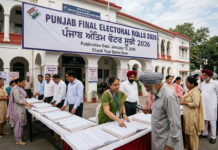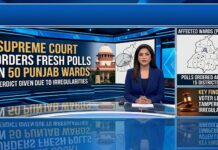
The Patiala SSP audio clip row has triggered widespread political debate in Punjab, raising questions about electoral integrity. The Punjab High Court has stepped in, directing the Punjab Election Commission to maintain strict neutrality in its probe into the leaked audio. Allegations of election manipulation and misconduct in the Patiala district have intensified scrutiny over the upcoming local body polls. Political parties have voiced strong reactions, and experts warn that the controversy could influence voter sentiment across the state. The HC’s intervention underscores the need for transparent and impartial election governance in Punjab.
Overview
The Patiala SSP audio clip row, the Punjab Election Commission neutrality issue has escalated into a major political and legal controversy. The leaked audio allegedly captures senior police officials discussing manipulation tactics for the upcoming Zila Parishad elections, raising serious concerns about electoral fairness in Punjab. In response, the Punjab High Court has directed the Punjab Election Commission to conduct a completely neutral investigation and ensure impartiality throughout the probe. This development comes at a sensitive time, just weeks ahead of the state’s local body elections, increasing pressure on officials to maintain transparency. Political parties across the spectrum have reacted strongly, framing the controversy to influence voter perceptions. Analysts warn that mishandling the investigation could damage public trust and voter turnout. The HC’s intervention signals judicial vigilance in safeguarding Punjab’s democratic processes.
Key Takeaways
- Patiala SSP audio clip alleges potential election manipulation and misconduct.
- Punjab High Court instructs PEC to act neutrally and maintain transparency.
- Controversy has political ramifications for local and state-level elections.
- Political parties are leveraging the incident to influence voter sentiment.
- Experts emphasise the need for PEC impartiality and credible election governance.
- Public trust and voter turnout could be affected by the probe’s outcome.
Context of the Controversy
The Patiala police audio leak surfaced recently, stirring political unrest in Punjab. The recording allegedly captures police officers discussing strategies to favour certain candidates during the Zila Parishad elections. Opposition parties argue that such conduct undermines the democratic process, while the ruling party claims the leak is politically motivated. The controversy comes amid heightened scrutiny over Punjab’s upcoming local body elections, intensifying concerns regarding electoral integrity. Citizens and political observers have expressed anxiety over the implications for voter confidence. The leak has prompted calls for immediate legal and administrative intervention, highlighting the delicate balance between law enforcement duties and political neutrality in election times.
High Court Intervention
The Punjab High Court has intervened to address the Patiala SSP audio clip row and the Punjab Election Commission’s neutrality concerns. The HC issued clear directives instructing the Punjab Election Commission to conduct an impartial investigation. Judges emphasised that the probe must be free from political influence or bias, reflecting legal expectations of neutrality during election disputes. The court underscored the importance of transparency in maintaining public faith in democratic processes. HC orders also requested timely updates from the PEC on procedural steps, ensuring accountability and clarity regarding the investigation’s progress. Legal experts describe this intervention as critical to upholding electoral integrity ahead of the Zila Parishad elections.
Role of the Punjab Election Commission
The Punjab Election Commission is now tasked with investigating the audio clip under strict impartiality guidelines. The PEC must examine the alleged misconduct, identify responsible officials, and ensure adherence to electoral laws. Past controversies in Punjab have questioned PEC’s neutrality, making judicial oversight essential. The HC’s directive sets clear expectations for timely reporting and accountability. Election analysts note that this probe will test PEC’s credibility and ability to act independently. Decisions taken during this investigation could have far-reaching effects on the Punjab election 2025 updates and public trust in democratic institutions.
Political Reactions
Political parties have been quick to respond to the controversy. Congress leaders criticised alleged manipulation attempts, urging strict action. AAP representatives defended their governance policies, rejecting claims of interference. BJP and SAD have highlighted the incident as evidence of systemic lapses in law enforcement neutrality. Local Patiala politicians expressed concern over the implications for election fairness, while opposition strategists argue the controversy could influence voter perceptions. Analysts suggest that all parties are leveraging the situation to consolidate support and frame narratives for upcoming elections. The political climate in Punjab has thus become increasingly charged due to the Punjab election controversy.
Impact on Elections and Voter Sentiment
The row could significantly impact voter confidence in Patiala and the surrounding constituencies. Public perception of impartial governance and fair elections may influence voter turnout. Political strategists warn that if the PEC fails to maintain transparency, voters could become disillusioned, affecting results across the Zila Parishad elections. The controversy also offers opportunities for parties to sway undecided voters, shaping local political dynamics. Experts emphasise that maintaining credibility and neutrality during this probe is crucial for election fairness in Punjab, reinforcing the democratic process and sustaining public trust.
Historical and Legal Context
Punjab has previously witnessed election-related controversies involving police or administrative officials. High Court interventions have played a key role in preserving impartiality and addressing misconduct. This incident reflects historical challenges in balancing law enforcement and electoral integrity. Past HC directives ensured timely action in politically sensitive situations, and observers expect similar diligence in the Patiala case. Analysts note that judicial oversight has historically helped restore confidence in the electoral process, particularly when allegations of manipulation arise.
Expert Opinions
Political analysts and constitutional experts stress the importance of a transparent investigation. Maintaining PEC credibility is vital for public trust in democratic institutions. Experts suggest that mishandling the probe could lead to long-term damage to voter confidence, while a neutral approach could set a precedent for future elections. Legal commentators note that HC directives demonstrate proactive judiciary involvement, safeguarding electoral integrity. Analysts predict that this case will remain a focal point in Punjab politics, influencing campaign strategies and voter perception ahead of the 2025 local elections.
Conclusion
The Patiala SSP audio clip row with the Punjab Election Commission neutrality highlights critical challenges in maintaining electoral integrity in Punjab. The HC’s intervention ensures that the PEC conducts a transparent and unbiased investigation. Political reactions and public scrutiny underscore the high stakes involved, with voter sentiment hanging in the balance. Effective handling of this controversy could strengthen confidence in democratic processes, while any perceived partiality could harm public trust. As Punjab prepares for the upcoming local elections, judicial oversight and impartial governance remain essential for fair and credible election outcomes.
Stay updated with all developments in the Patiala SSP audio controversy and Punjab elections by following our political news coverage.