The historic Maghi Mela in Punjab has taken a clear political turn this year. Major political parties have erected separate stages to hold conferences. The move has transformed a religious and cultural gathering into a political arena. Leaders see the mela as a powerful platform to reach large crowds. Administrative authorities have granted permissions with strict conditions. Security has been tightened to manage the surge. With elections approaching, the mela now reflects the upcoming election strategy in Punjab and the growing intensity of political mobilisation.
Key Takeaways
- Maghi Mela saw political party conferences, which include the Shiromani Akali Dal, Congress, Aam Aadmi Party, BJP and People’s Party of Punjab.
- Cultural event turned into a political platform
- Authorities granted permission with safeguards
- Mixed reactions from pilgrims and locals
- Clear link to the upcoming elections in Punjab
- Highlights evolving campaign strategies
Overview: Upcoming Election Strategy in Punjab
Maghi Mela, one of Punjab’s most revered religious and cultural gatherings, has increasingly become a stage for political activity. This year, the mela witnessed an unusual sight. These political parties set up dedicated platforms to organise conferences and address people. The development has placed Punjab’s political activity at the centre of public debate. Traditionally known for faith, charity, and community bonding, the mela now reflects shifting political priorities.
Leaders from various parties view the mela as a strategic space to connect with thousands of pilgrims. The timing is crucial, as political parties prepare their upcoming election strategy in Punjab. Authorities allowed the events after assessing security and crowd management needs. While supporters call it democratic engagement, critics see it as the politicisation of a sacred event. The development highlights how religion, culture, and politics increasingly intersect in Punjab’s evolving political landscape.
Cultural Significance of Maghi Mela
Maghi Mela holds deep spiritual value for Sikhs and Hindus. It commemorates the sacrifice of the Forty Mukte. Devotees gather to take holy dips and offer prayers. The mela symbolises faith, remembrance, and unity.
For decades, the event remained largely non-political. However, changing times have seen growing politics in Punjab entering public spaces. The mela’s large turnout makes it attractive for outreach. Its cultural importance adds emotional weight to messages delivered there.
Location and Scale of the Event
The mela is organised in Muktsar Sahib. The town witnesses lakhs of pilgrims over several days. Temporary settlements, langars, and religious gatherings dominate the landscape.
This year, political stages stood alongside religious tents. The scale of the event makes it ideal for political mobilisation in Punjab. District officials said crowd estimates were higher than in previous years. Managing religious and political gatherings simultaneously posed challenges.
Political Parties Enter the Arena
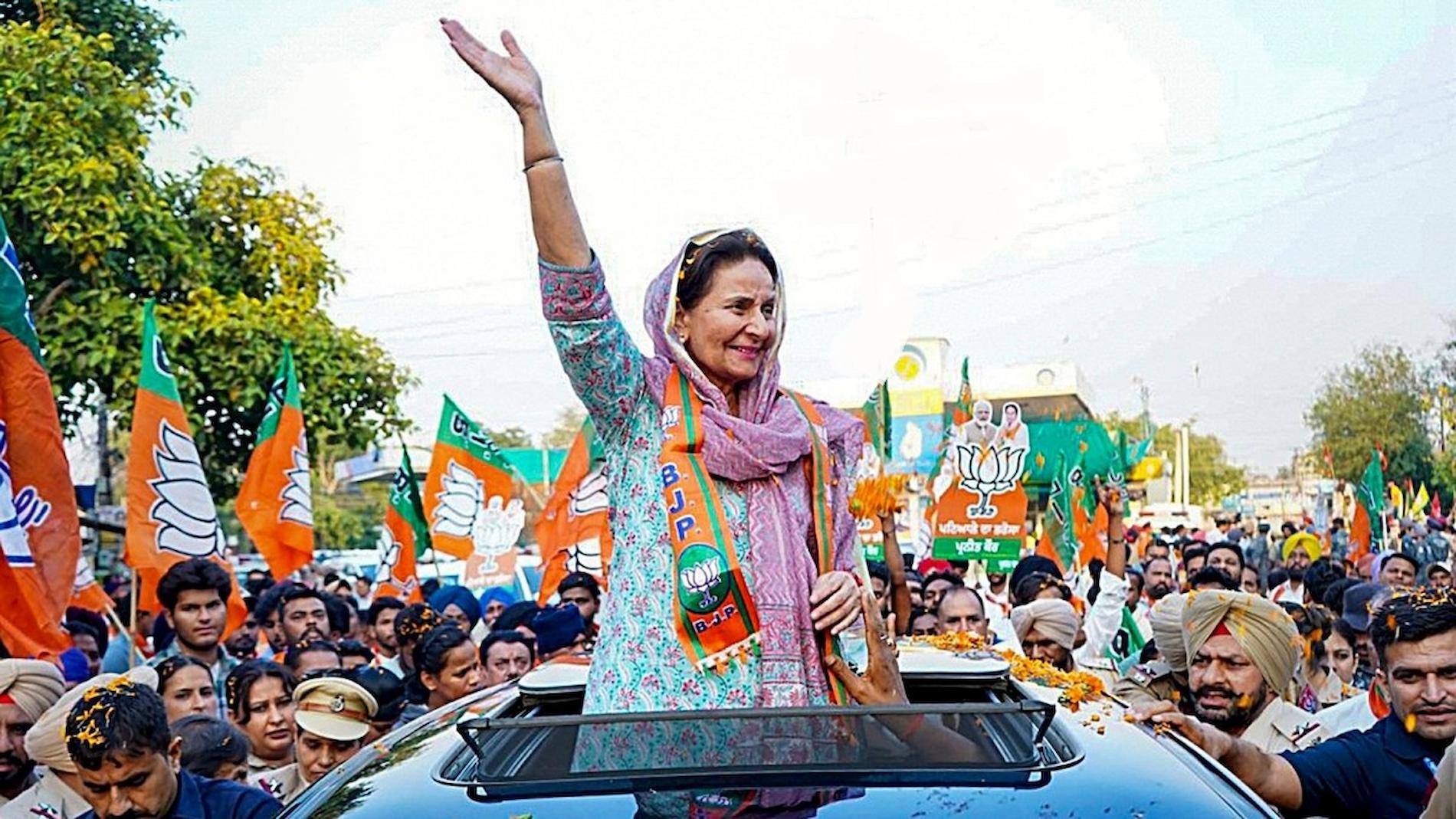
Prominent political parties erected stages for conferences. These included Shiromani Akali Dal, Congress, Aam Aadmi Party, BJP and People’s Party of Punjab. Their presence underscored intense Punjab politics ahead of elections.
Each party sought visibility and attention. The stages were strategically placed near high-footfall areas. Banners and flags reflected competing narratives. The political parties’ conferences signalled that the election mode has begun.
Purpose Behind Political Conferences
Leaders believe fairs offer unmatched access to voters. The Maghi Mela conferences allowed direct engagement with rural and urban attendees. Parties aimed to showcase achievements and highlight failures of rivals.
The mela provided a ready-made audience. It reduced the need for separate rallies. For many leaders, it formed a core part of their upcoming election strategy in Punjab.
Key Leaders and Expected Addresses
Senior Politicians from multiple parties were scheduled to attend. Speeches focused on governance, farmer issues, and employment. Leaders also addressed youth and women.
Party insiders said the mela offered emotional connection. Leaders hoped symbolic presence would resonate with voters. The addresses reflected careful planning and messaging discipline.
Political Messages and Agendas
The conferences highlighted development claims and promises. Ruling party leaders defended governance records. Opposition leaders attacked rising prices and unemployment.
Themes included farmers’ welfare, law and order, and social justice. The political messaging at fairs was tailored for mass appeal. Emotional narratives dominated speeches.
Administrative Permissions and Guidelines
District authorities granted permission after scrutiny. Officials ensured compliance with safety norms. Clear instructions were issued regarding noise and timing.
Authorities emphasised neutrality. They said permissions were granted equally. The administration aimed to balance religious sanctity and democratic expression. The move reflected cautious governance amid the focus on Punjab political news.
Security and Crowd Management
Security was tightened across Muktsar Sahib. Police deployment increased near the stages. CCTV surveillance monitored crowd movement.
Officials coordinated with organisers to avoid clashes. Traffic diversions were implemented. Emergency services remained on standby. The focus was to prevent disruptions and maintain order.
Reactions from Pilgrims and Locals
Reactions were mixed among pilgrims. Some welcomed leaders addressing public issues. Others felt politics diluted religious spirit.
Residents expressed concern over congestion. Religious groups urged restraint. The debate reflected broader societal divisions on election campaigning, Maghi Mela.
Election Context and Timing
The timing of conferences raised eyebrows. Elections are approaching. Political observers saw clear strategic intent.
Parties view mass gatherings as opportunities. The mela’s timing fits well into the election strategy in Punjab. The atmosphere resembled early campaigning.
Opposition Criticism and Support
Opposition leaders criticised politicisation. They accused rivals of exploiting faith. Others defended the move as democratic engagement.
Some parties demanded stricter Election Commission oversight. The debate highlighted tensions around political rallies at Maghi Mela.
Election Commission Guidelines
Election Commission guidelines permit political activity with conditions. No hate speech or inducements are allowed.
Officials reminded parties to follow the model code. Any violation would attract action. The mela tested the balance between rights and regulation.
Impact on Law and Order
Authorities reported no major incidents. However, managing large crowds required constant vigilance. Traffic congestion affected nearby areas.
Officials said lessons would inform future planning. The experience underscored the challenges of mixed-use public spaces during election season.
Symbolic Importance for Mobilisation
Maghi Mela’s symbolism makes it powerful. Parties seek legitimacy by associating with tradition. The mela offers emotional resonance unmatched by rallies.
The event mirrors trends seen in other states. Some analysts compared it with elections in Bihar, where fairs also attract political activity. The pattern shows how culture shapes campaigning.
Broader Political Implications
The mela reflects evolving campaign methods. Public spaces are becoming political arenas. Faith and politics increasingly overlap.
For voters, such interactions shape perceptions. For parties, the mela remains a strategic tool. The episode highlights the changing election atmosphere in Punjab.
Conclusion
The transformation of Maghi Mela into a political platform reflects changing realities in Punjab. While the mela remains sacred, politics has found space within it. The challenge lies in balancing faith, democracy, and order. As elections near, such intersections will likely increase.
Follow credible updates on Punjab political news to understand how cultural events shape the state’s electoral future.