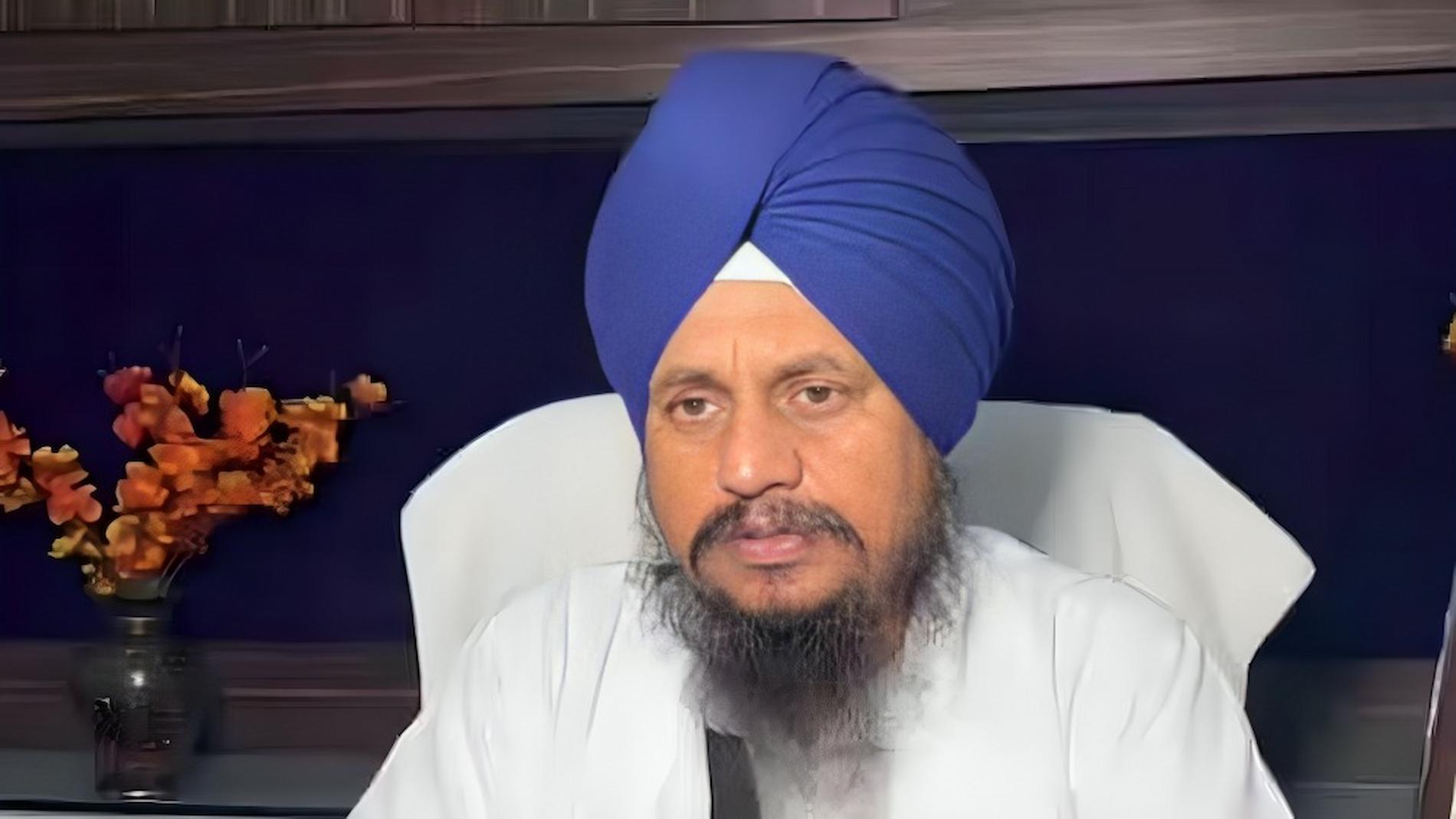
In a decisive political and religious move, the Akal Takht panel has selected Giani Harpreet Singh as the new SAD chief, marking a historic turning point for the Shiromani Akali Dal. This announcement of the new Chief is part of a broader Akal Takht leadership decision aimed at strengthening the party ahead of crucial state elections. As the Shiromani Akali Dal new chief takes charge, the stakes in Punjab politics rise, with renewed focus on unity, strategy, and voter trust.
Historic Announcement from the Akal Takht
The Akal Takht panel has formally named Giani Harpreet Singh SAD chief, ending weeks of speculation and intense behind-the-scenes deliberations. This SAD New Chief appointed moment comes not only as a political choice but also as a religiously significant one, given the deep connection between the Akali Dal and Sikh religious institutions. The Akal Takht leadership decision is widely seen as an attempt to align the party’s political goals with the moral authority of Sikh leadership.
This appointment has drawn attention from across the political spectrum in Punjab politics, with analysts calling it a high-stakes gamble that could either revive the SAD’s fortunes or deepen existing divides.
The Weight of the Role
Becoming the Shiromani Akali Dal new chief is no ordinary political elevation. The party has historically been a key player in Punjab’s governance and Sikh religious affairs. However, recent years have been turbulent, marked by electoral setbacks, policy criticism, and an erosion of grassroots support.
The SAD leadership change comes at a time when public sentiment has been shifting towards alternative political voices. By bringing Harpreet Singh into the top role, the party hopes to reconnect with its traditional base while appealing to younger voters.
Why Harpreet Singh?
The choice of Harpreet Singh is rooted in several strategic considerations:
- Religious Standing: Harpreet Singh has held respected positions within Sikh religious institutions, giving him credibility that resonates with the SAD’s core support base.
- Clean Image: In an era when political scandals can quickly erode public trust, his reputation for integrity offers a refreshing contrast.
- Strategic Timing: With the Punjab assembly elections SAD strategy taking shape, the party needed a figure who could inspire both urban and rural constituencies.
The leadership also saw his appointment as a way to put an end to the long-standing SAD leadership dispute, which had been damaging the party’s image.
How the Decision Was Made
The Akal Takht leadership decision was the result of a series of high-level meetings between senior SAD leaders, religious authorities, and grassroots representatives. The process reportedly involved weeks of consultation, reflecting the sensitivity of the choice.
Party insiders say that while there were multiple contenders for the role, Harpreet Singh emerged as the consensus candidate due to his ability to bridge political ambition with religious commitment. This balance is critical in Punjab politics, where religious sentiment often plays a decisive role in electoral outcomes.
Reaction from Within the Party
The announcement of the SAD’s new chief appointment has mainly drawn positive responses from within the party. Senior leaders have expressed optimism, stating that Harpreet Singh’s leadership could bring much-needed stability.
One senior member commented: “This is more than a leadership change; it is a renewal of purpose. Harpreet Singh has the wisdom to respect our traditions and the vision to adapt to modern political realities.”
Others see his appointment as a strategic reset before the Punjab assembly elections. The SAD’s strategy is finalised.
Public and Political Response
Among the public, reactions are cautiously hopeful. Supporters of the SAD believe the SAD leadership change could reignite enthusiasm, especially among rural voters who have historically been loyal to the party.
Opposition parties, however, have been quick to point out that leadership change alone may not be enough to address the party’s recent decline. Still, many acknowledge Harpreet Singh’s stature and his potential to shift the narrative in Punjab politics.
The Road Ahead: Challenges and Opportunities
As the Shiromani Akali Dal new chief, Harpreet Singh faces a long list of challenges:
- Rebuilding Public Trust: After recent electoral losses, reconnecting with the electorate will be essential.
- Resolving Internal Rifts: The SAD leadership dispute has left factions within the party; unity will be critical for electoral success.
- Crafting a Clear Policy Agenda: Beyond religious legitimacy, voters will expect a strong development-oriented programme.
- Managing Alliances: Strategic partnerships will play a key role in the Punjab assembly elections, SAD’s strategy.
However, the opportunities are equally significant. Harpreet Singh’s religious background provides an immediate platform for outreach to the Sikh community, while his political inexperience could be framed as a fresh start.
Electoral Strategy Under New Leadership
The SAD’s electoral approach under Harpreet Singh is expected to focus on restoring faith among its base while appealing to younger voters through modern campaign strategies. The party is also likely to leverage his religious stature to draw support from rural constituencies, which remain critical in Punjab politics.
Political observers note that the SAD’s strategy for the Punjab assembly elections will likely combine traditional door-to-door outreach with targeted digital campaigns. The aim will be to present Harpreet Singh as both a custodian of Sikh values and a leader capable of addressing contemporary governance issues.
Ending the Leadership Dispute
One of Harpreet Singh’s most urgent tasks will be to resolve the SAD leadership dispute that has been simmering for years. Internal divisions have cost the party both electorally and in terms of credibility. Early signs suggest that key factions are willing to work together under his leadership, but much will depend on his ability to deliver tangible results.
Broader Implications for Punjab Politics
The SAD leadership change has implications far beyond the party itself. In a state where religious dynamics often influence political outcomes, the alignment of the SAD’s top leadership with the Akal Takht’s choice strengthens the party’s moral authority.
For rivals, this development signals a more competitive political environment ahead of the polls. For voters, it offers a potentially revitalised alternative in Punjab politics, especially if Harpreet Singh can balance tradition with progress.
Conclusion: A Defining Moment in SAD’s History
The selection of Giani Harpreet Singh, SAD chief, by the Akal Takht panel marks one of the most significant shifts in the party’s recent history. The Akal Takht leadership decision reflects a carefully calculated move to bring religious legitimacy and political strategy into alignment.
Whether this SAD New Chief appointed moment will translate into electoral success remains to be seen. What is clear is that Harpreet Singh’s leadership will define the next chapter of the Shiromani Akali Dal’s new era. With the Punjab assembly elections, SAD’s strategy already in motion and the SAD leadership dispute potentially on the mend, the coming months will be critical for the party’s future.