A policy once celebrated as an innovative step toward urban development in Punjab is now facing a major legal challenge. The Punjab land pooling scheme, designed to fast-track infrastructure projects and planned city expansions, is under judicial scrutiny as aggrieved landowners take their grievances to the Punjab and Haryana High Court.
The petitioners claim that the policy violates fundamental land acquisition safeguards and lacks proper legal clarity, pushing their property rights into uncertainty. At the centre of this land acquisition dispute, Punjab lies a broader issue: how far can the state go in acquiring land “voluntarily” for development, and does such pooling respect the landowners’ legal and constitutional rights?
The legal challenge to the land policy could shape not only Punjab’s urban planning future but also influence how other Indian states pursue their own land reforms and pooling schemes. With the High Court case on land pooling now active, a critical precedent may be set on land acquisition rights in India.
Understanding Punjab’s Land Pooling Scheme
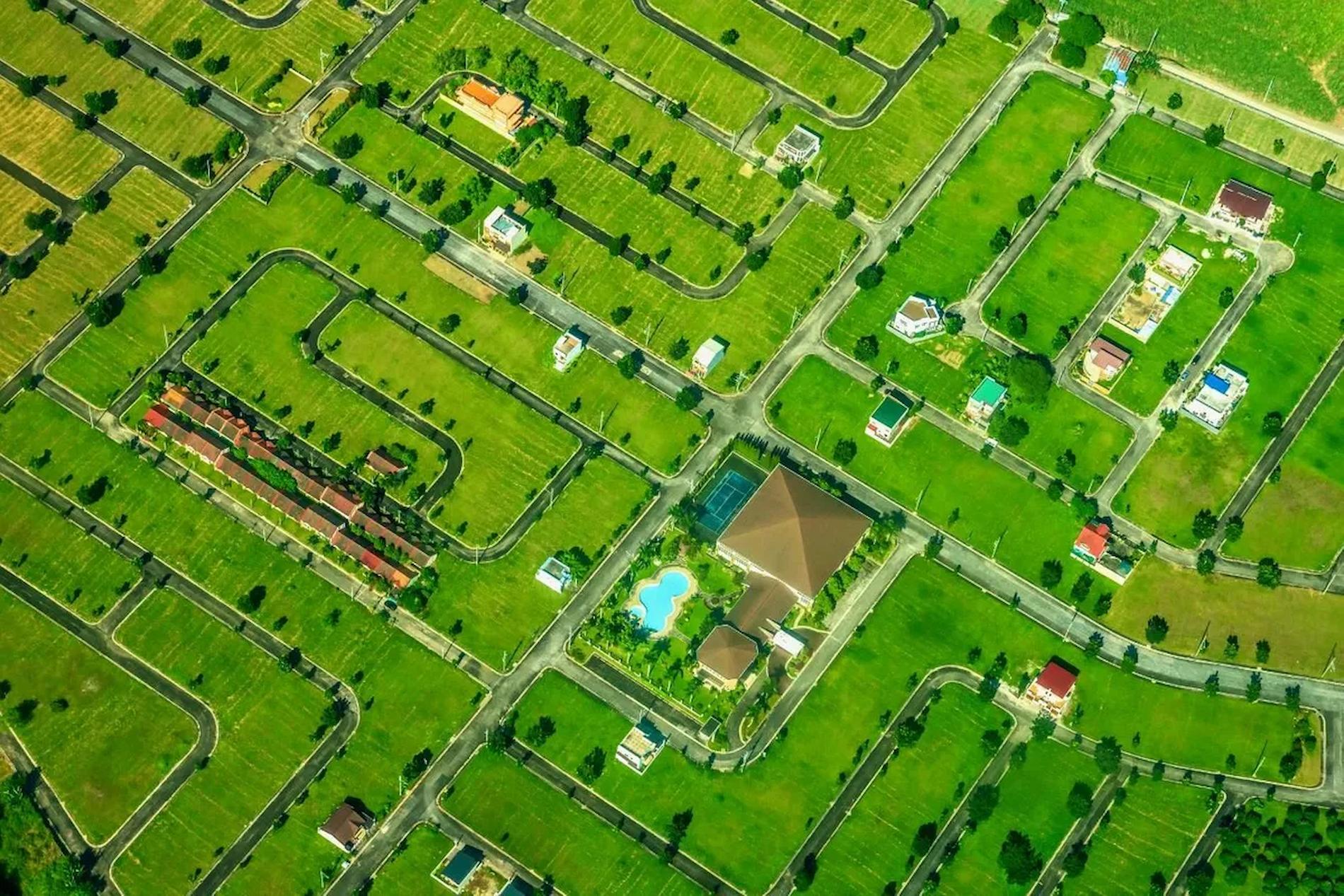
Punjab’s land pooling model was introduced by urban authorities such as the Greater Mohali Area Development Authority (GMADA), Punjab Urban Planning and Development Authority (PUDA), and related regional bodies. The scheme encourages landowners to pool their land voluntarily for development. Instead of being paid cash compensation for their land, contributors are promised a portion of reconstituted, developed plots—equipped with modern infrastructure such as roads, sewerage, water supply, and green zones.
The state presents this as a “win-win” solution: the government avoids paying large sums in compensation. It accelerates project timelines, while landowners are expected to benefit from higher land values after development.
Initially, the scheme found takers in urban expansion zones such as SAS Nagar (Mohali), Amritsar, and Ludhiana. However, as the development timelines stretched and reallocation processes grew opaque, discontent began to build among participating landowners.
The Legal Challenge: A Fight for Rights
A group of landowners, primarily small farmers, has moved the Punjab and Haryana High Court, contesting that the policy is exploitative in its implementation. They allege that although participation is labelled “voluntary,” in practice, pressure tactics are used to compel landowners to join. Those who resist reportedly face denial of basic civic services and approvals.
One of the petitioners, Harbans Singh, a farmer from near Mohali, stated:
“They say it’s voluntary, but if you refuse, they isolate your land and block development around it. What choice do we have?”
The core argument in the legal challenge to land policy is that the scheme bypasses the due process of law under the Right to Fair Compensation and Transparency in Land Acquisition, Rehabilitation and Resettlement Act, 2013 (LARR Act). This legislation, a landmark in Indian property rights law, mandates public purpose, consent, social impact assessment, and fair compensation for any land acquisition.
The petitioners argue that by branding pooling as voluntary, the government is side-stepping these legal protections. They are demanding a judicial review on whether the scheme adheres to the land acquisition rights of India and seeking a declaration that any form of indirect acquisition must be subject to the LARR Act.
Government’s Position: Urban Growth Requires New Tools
Punjab’s urban development authorities have vigorously defended the pooling model. According to the Housing and Urban Development Department, land pooling offers a modern, globally accepted alternative to compulsory land acquisition. The department maintains that the scheme is voluntary, transparent, and beneficial for landowners.
A senior official explained:
“We’re not acquiring land forcibly. Landowners are development partners. Once the infrastructure is laid out, their plots gain in market value significantly—more than they’d get through cash compensation.”
Government officials have also claimed that the scheme allows projects like new roads, townships, and industrial corridors to proceed with fewer delays and court battles. They argue that the conventional land acquisition process is expensive, time-consuming, and often leads to protests.
However, critics say the real issue lies in how the policy is implemented on the ground. Many landowners have complained about delays in returning plots, a lack of clear titles, and limited say in how their land is developed. The ambiguity surrounding legal recourse for aggrieved contributors adds fuel to the ongoing litigation.
The Broader Context: A Pattern Across India
Punjab is not the first Indian state to introduce land pooling. Gujarat, Andhra Pradesh, Maharashtra, and Delhi have all experimented with variations of this model. In cities like Amaravati and Ahmedabad, large-scale urban development was enabled through pooled land.
However, in most cases, legal and social tensions have followed. Land pooling, while seemingly less confrontational than traditional acquisition, has consistently raised questions around consent, valuation, and long-term impact on small landholders.
Urban planning experts say that land pooling is effective only when implemented with transparency and inclusive governance.
Ranjana Banerjee, a land policy analyst with the Centre for Urban Governance, said:
“Pooling schemes can be revolutionary when done right. But they must have checks and balances—independent grievance redressal, timelines for plot returns, and full legal clarity. Otherwise, it’s just an acquisition in another name.”
In Punjab’s case, the lack of statutory backing through dedicated legislation—as opposed to mere administrative guidelines—is another point of contention raised in the legal petition.
The Voices of the Farmers and Landowners
At the grassroots level, the resistance is growing. Many farmers, especially in Ludhiana and SAS Nagar districts, feel they have been pushed into an unequal bargain. Unlike big landowners or investors who may have the financial buffer to wait for plot development, smallholders say the scheme affects their livelihoods directly.
Sukhpal Kaur, a widow whose family contributed two acres to the scheme in Mohali, said:
“They told us we’d get developed plots in two years. It’s been over four. We haven’t received anything, and now we hear new conditions are being added. Meanwhile, our land is gone.”
The perceived lack of control over land use, concerns over future litigation, and doubts over promised amenities are eroding trust among participants. Several local farmer unions have extended support to the petitioners, with protests and sit-ins planned in multiple towns in August.
Legal Outlook: What the Courts Will Decide
The High Court case on land pooling will revolve around interpreting whether pooling amounts to indirect acquisition, and if so, whether it bypasses statutory rights under the LARR Act. The court is also expected to review whether adequate procedural safeguards exist in the current model and whether consent is truly voluntary.
Legal experts believe the case could have nationwide implications. If the court rules that pooling without legislative backing is unconstitutional or violates landowners’ rights, similar schemes in other states may be forced to undergo significant reforms.
A final verdict may take months, but interim directions from the court—such as a stay on ongoing pooling operations—could impact development projects already in the pipeline.
What’s at Stake: Urban Development and Constitutional Rights
This land acquisition dispute in Punjab is a textbook example of the complex intersection between development and constitutional guarantees. On one hand, India’s cities are under enormous pressure to expand and modernise. Land pooling offers an efficient way to meet infrastructure demands without the delays of litigation.
On the other hand, the constitutional right to property and the principles of due process cannot be diluted in the name of progress. If voluntary participation becomes effectively mandatory, the very spirit of the law is undermined.
This case is likely to prompt greater scrutiny of pooling schemes across India. It may lead to the drafting of a model national law to regulate them uniformly, with proper legal safeguards and enforcement mechanisms.
Conclusion: A Defining Test for India’s Urban Future
As the High Court prepares to weigh in on the legal challenge to land policy, Punjab stands at a critical juncture. The outcome will not just determine the fate of the Punjab land pooling scheme, but also influence how India balances urban development with land justice.
If the courts side with the petitioners, policymakers will be forced to rethink the architecture of land pooling with stronger legal frameworks and participatory safeguards. If upheld, the scheme may serve as a model for other states—but with a clear message: urban growth cannot override land rights.
Ultimately, the issue isn’t whether development should happen—but how, and at whose cost.