In a thunderous blow to the state’s narcotics underworld, Punjab Police have arrested Gurdeep Singh—infamously known as Punjab’s most feared drug lord—in a multi-agency sting operation near the Indo-Pak border. The arrest, carried out in the early hours of July 30, 2025, signals what officials are calling a “watershed moment” in the war against drugs in Punjab.
Labelled as Punjab’s Most Feared Drug Lord and high-value target for years, Gurdeep Singh ran one of the largest drug cartels in northern India. His empire, rooted in violence and illicit trade, stretched across international borders, feeding the region’s deepening crisis of addiction and crime.
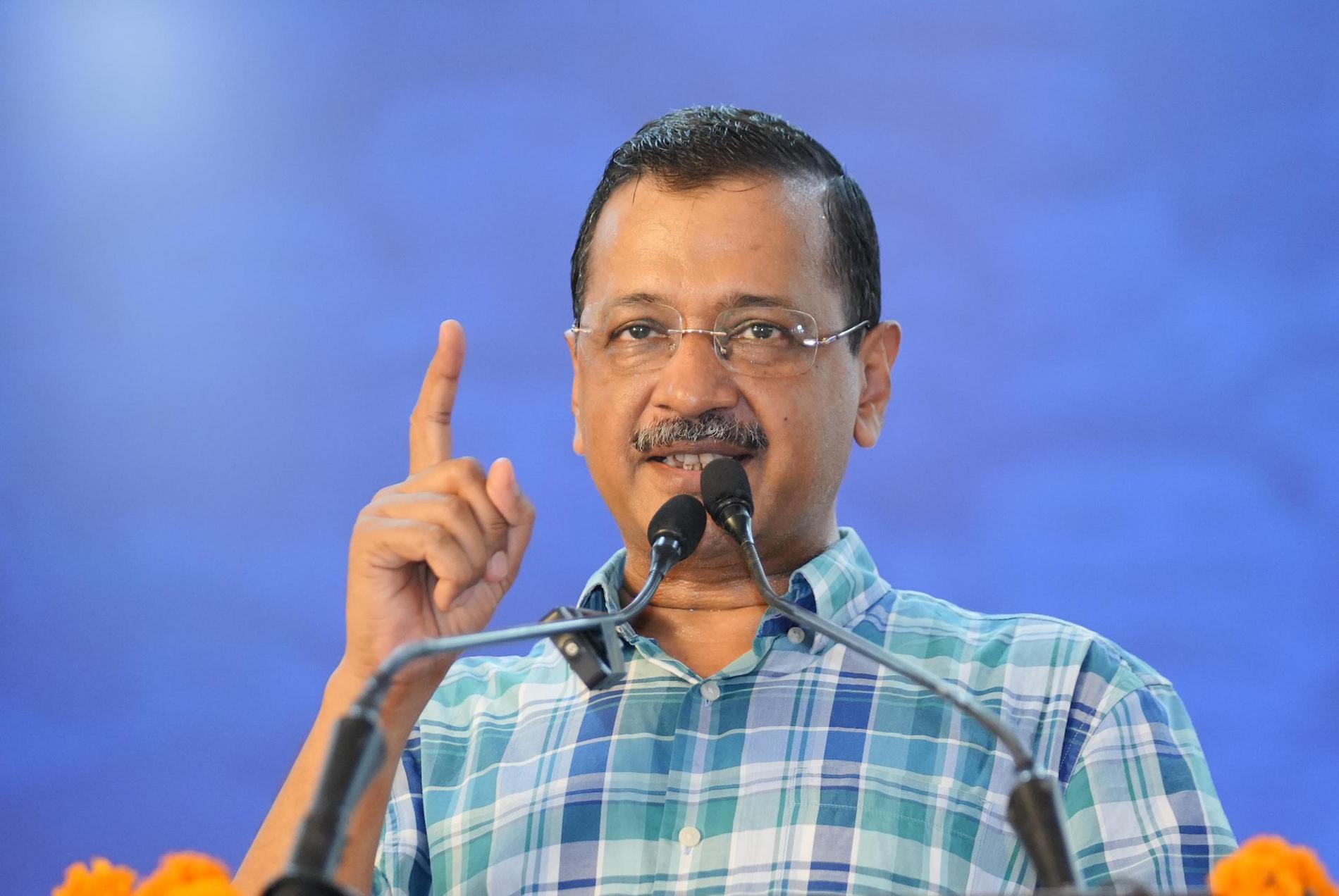
The capture of Singh, long thought untouchable, marks a significant victory for the Aam Aadmi Party (AAP) government, which has been vocal about cracking down on narcotics. Delhi Chief Minister Arvind Kejriwal, in a powerful public address, stated, “This arrest is proof that no matter how powerful the criminal, the rule of law will prevail.” His remarks emphasized the government’s continued commitment to a drug-free Punjab and were widely shared under the hashtag Kejriwal Statement On Drug Arrest.
Snapshot of the Arrest
- Who: Gurdeep Singh alias ‘Lala’, Punjab’s most wanted drug trafficker.
- What: Arrested for narcotics smuggling, multiple homicides, and financial crimes.
- When: July 30, 2025, at 5:45 AM.
- Where: Tarn Taran district, Punjab—just 30 km from the Pakistan border.
- Why: Accused of masterminding drug trafficking routes across Punjab, Delhi, and Haryana with international links to Afghan and Pakistani cartels.
This Punjab drug mafia arrest news comes as a direct result of an aggressive state-wide initiative dubbed Punjab Anti-Drug Operation 2025, which began in January this year.
A Decade of Criminal Mastery
Gurdeep Singh, a once small-time transporter, rose to notoriety in the early 2010s. Over the next decade, he evolved into a mafia figure who commanded fear and loyalty in equal measure. Under his leadership, drugs like heroin, crystal meth, and pharmaceutical opioids flowed into Punjab like water—destroying lives and fuelling a parallel economy.
Singh built his syndicate on three pillars: strategic violence, political protection, and deep-rooted community infiltration. His influence was such that many in border villages treated him with reverence, either out of fear or financial dependency. According to police dossiers, Singh maintained safe houses, bribe accounts, and trained smugglers, many of whom were underage and addicted themselves.
“This man didn’t just deal drugs,” said a senior Narcotics Control Bureau official. “He corrupted systems. He weaponised poverty and destroyed families.”
For years, Singh remained elusive. Multiple attempts to capture him failed, often due to last-minute intelligence leaks. This led to public scepticism about whether law enforcement even wanted to arrest him.
The Dramatic Raid
The operation to nab Singh began on July 29. A joint team from Punjab Police’s Special Task Force (STF), the Border Security Force (BSF), and intelligence officers tracked encrypted signals indicating Singh’s presence at a private farmhouse outside Tarn Taran.
What followed was a textbook strike. Over 200 officers moved under the cover of darkness. Drones scanned the perimeter while snipers were positioned in nearby fields. When Singh’s guards were subdued, he attempted to escape through an underground tunnel. Officers caught him roughly 800 metres from the main house, hiding in sugarcane.
The raid uncovered a horrifying scale of criminal enterprise:
- 18 kg of high-purity heroin
- ₹15 crore in cash and crypto assets
- Sophisticated arms, including silenced pistols and foreign rifles
- Multiple forged documents and foreign SIM cards
“This was no ordinary farmhouse. It was a fortress,” noted STF head Paramveer Brar. “Singh had installed jammers, tunnel exits, and even an emergency helipad blueprint.”
The intelligence-led raid is now being cited as a model case in India’s fight against narcotics trafficking.
Kejriwal’s Crackdown Strategy
The arrest also throws light on the broader political framework backing such operations. The AAP government’s action on drugs has been one of the defining agendas of Kejriwal’s Punjab policy since the party assumed power in 2022.
Through a combination of grassroots awareness campaigns, funding for rehabilitation centres, and technology-led policing, the government has attempted to cleanse a state long ravaged by drug addiction.
In his official Kejriwal statement on the drug arrest, the Chief Minister remarked:
“Today, a giant has fallen. But our mission is far from over. Every child we save from drugs is a step toward rebuilding Punjab’s soul.”
Opposition leaders have welcomed the move but urged deeper action. “This must not be an isolated headline,” warned Congress MP Manish Tewari. “We need consistent systemic change, not just arrests.”
The Arvind Kejriwal drug crackdown has sparked nationwide attention, with other states reportedly exploring similar policy blueprints.
The Drug Crisis: Punjab’s Wounded Youth
Behind this sensational arrest lies a sombre truth—Punjab’s youth have been devastated by drugs for decades. According to a 2024 report by AIIMS, nearly 33% of young men in Punjab’s border districts have used narcotics in the past year. The most common substances include heroin, tramadol, and crystal meth.
Villages once known for farming now bury young addicts. Families live in debt from failed rehab treatments. Schools report missing students. The social fabric has weakened.
“This arrest gives people hope,” said Dr. Manjeet Kaur, a sociologist at Punjab University. “But let’s not forget—this is a marathon, not a sprint.”
Non-profit organisations are calling for increased investment in rural mental health, education, and addiction recovery programs to ensure long-term reform.
A Web of Names: What Comes Next
Authorities believe Singh’s arrest could unlock a much larger network. During preliminary questioning, Singh reportedly hinted at involvement from low-level political workers and even cross-border handlers. If confirmed, these leads could result in the most considerable clean-up in Punjab’s political-criminal landscape since the 1990s.
Investigators are already studying seized documents and satellite phones. Sources indicate that Singh maintained ledgers documenting transactions with politicians, border officials, and even journalists.
Legal experts anticipate a lengthy trial, possibly under India’s Narcotic Drugs and Psychotropic Substances (NDPS) Act, with the potential for life imprisonment or even capital punishment, depending on linked violent crimes.
Meanwhile, the Punjab anti-drug operation 2025 is set to intensify. Officials have drawn up a priority list of 40 suspected drug lords and 200 mid-level peddlers across five districts. Checkpoints along the India-Pakistan border have also been reinforced.
Conclusion: A Step Toward Healing
The arrest of Punjab’s Most wanted drug lord isn’t just a tactical win—it’s a symbol of renewed faith. It sends a message that justice, while delayed, is still possible. For a state haunted by addiction, it reignites hope for rehabilitation and renewal.
The news of the Punjab drug mafia’s arrest has captured headlines, but its real value lies in whether it catalyses systemic transformation. Will drug peddling networks collapse? Will political links be exposed? Will the next generation be spared?
Only time will tell. But one thing is sure: Gurdeep Singh’s fall has cracked a wall that once seemed impenetrable. Now, the state must widen that crack—until no drug dealer finds shelter, and no child falls victim to their poison.